North vs South Galápagos Itinerary: Which One Should You Choose?

If you’re planning a trip to the Galápagos Islands, one of the most common questions is: should you choose a north or south itinerary?
The short answer is that both are incredible. The real difference comes down to wildlife, activities, and sea conditions.
In this guide, we break down the north vs south Galápagos itinerary in a clear, practical way so you can decide what fits your travel style.
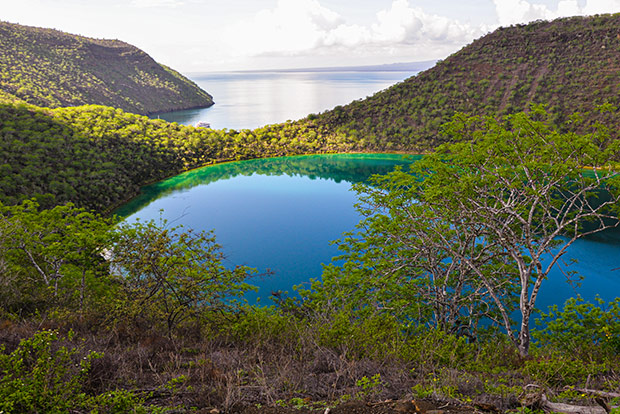
🧭 North Galápagos Itinerary: Remote and Wildlife-Focused
The north Galápagos itinerary usually includes remote islands like Genovesa. These areas are harder to reach, which makes them feel more untouched.

Pros of the North Itinerary
- High concentration of seabirds
You’ll see large colonies of red-footed boobies, frigatebirds, and storm petrels - Less crowded experience
Fewer boats operate in the north, so it feels more exclusive - Dramatic landscapes
Volcanic cliffs and rugged terrain create a very different atmosphere
Cons of the North Itinerary
- Fewer water activities
Less focus on snorkeling, kayaking, or paddleboarding - Longer navigation times
You may spend more time at sea between islands - Limited availability
Not all cruises offer northern routes
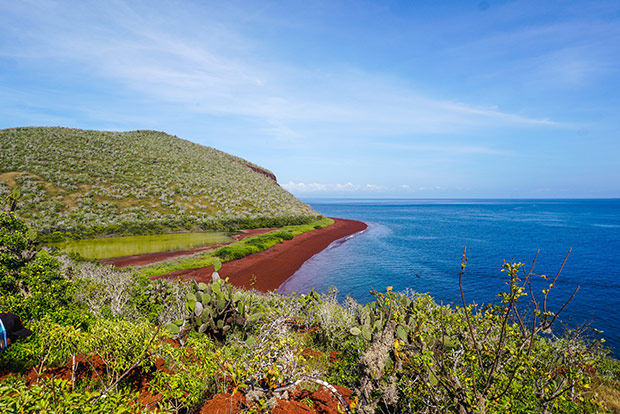
🌴 South Galápagos Itinerary: More Variety and Activities
The south Galápagos itinerary includes islands like Española and Floreana. It’s often the most popular option, especially for first-time visitors.
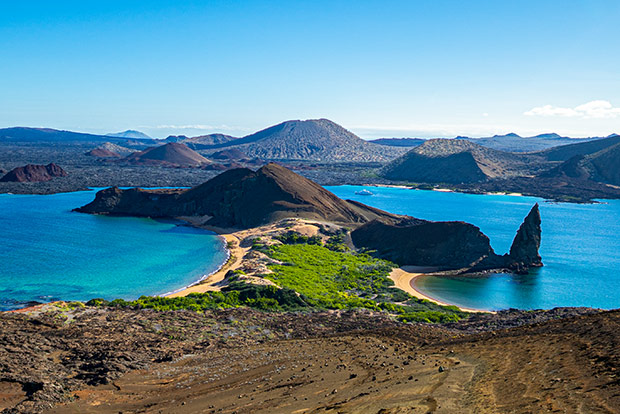
Pros of the South Itinerary
- Iconic wildlife
Española is home to the waved albatross, found nowhere else in the world - More water activities
This is a key advantage:- Snorkeling
- Kayaking
- Paddleboarding (stand-up paddle)
- Better beaches and calmer water
Ideal for swimming and coastal exploration - More balanced experience
A mix of wildlife, landscapes, and activities
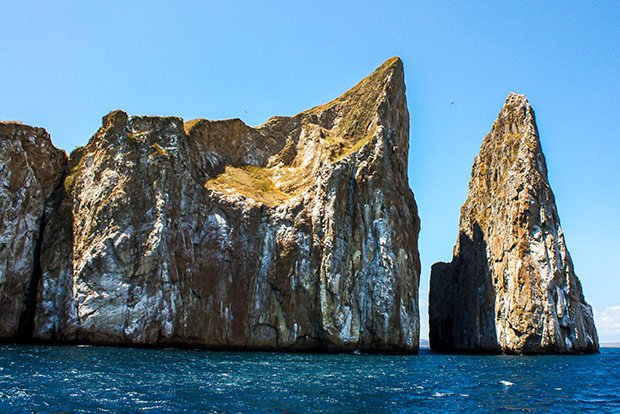
Cons of the South Itinerary
- More visitors
These routes are more common - Less remote feel
Compared to the north - Some windy landing sites
Conditions can vary depending on the island
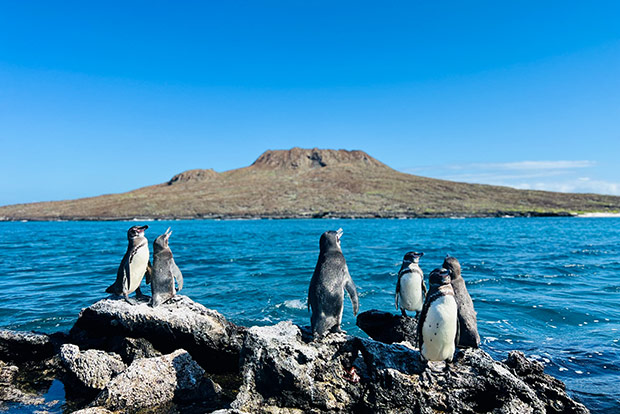
🐦 Birdwatching in Galápagos: North vs South
Many travelers assume the north is better for birds, but that’s only partly true.
South (Española)
- Home to the waved albatross (April to December)
- Also: Nazca boobies, blue-footed boobies
- Best for unique, once-in-a-lifetime species
North (Genovesa)
- Huge seabird colonies
- Red-footed boobies, frigatebirds, petrels, owls
- Best for density and variety in one location
👉 Key takeaway:
- South = iconic species
- North = quantity and diversity
🌊 Sea Conditions and Climate Differences
Sea conditions can directly affect your experience, especially during navigation.
North Itinerary
- More exposed to the open ocean
- Stronger swells and longer crossings
- Can feel rougher, especially in the cool season
South Itinerary
- More protected routes
- Calmer waters
- Better for water activities like snorkeling, kayaking, and paddleboarding
Seasonal Differences
- June to November (cool season)
Rougher seas, cooler water, more noticeable in the north - December to May (warm season)
Calmer seas, warmer water, better visibility
⚖️ North vs South Galápagos: Quick Comparison
- North Galápagos itinerary
Remote, rugged, fewer activities, strong birdlife concentration - South Galápagos itinerary
More activities, calmer waters, iconic species, more balanced overall
✍️ Which Galápagos Itinerary Is Best?
If this is your first trip, the south itinerary is usually the better choice. It offers more variety and better conditions for activities.
The north itinerary is ideal if you want something more remote or if your main focus is seabirds and less crowded environments.
🌍 Final Tip: If You Can, Do Both
If you have the time and budget, the best option is to combine both itineraries.
This gives you a complete Galápagos experience:
- The remote, wildlife-rich north
- The diverse and activity-focused south
For most people, the Galápagos is a once-in-a-lifetime destination.
Doing both routes allows you to truly understand the diversity of the islands and make the most of your trip.

Cruises Galapagos North vs South Galápagos Itinerary: Which One Should You Choose?

Travel To Galapagos Islands North vs South Galápagos Itinerary: Which One Should You Choose?

Cruises to the Galapagos Islands in January

Galapagos Travel Deals

Vacation Rentals By Owner Galapagos Islands

Galapagos Diving Reviews